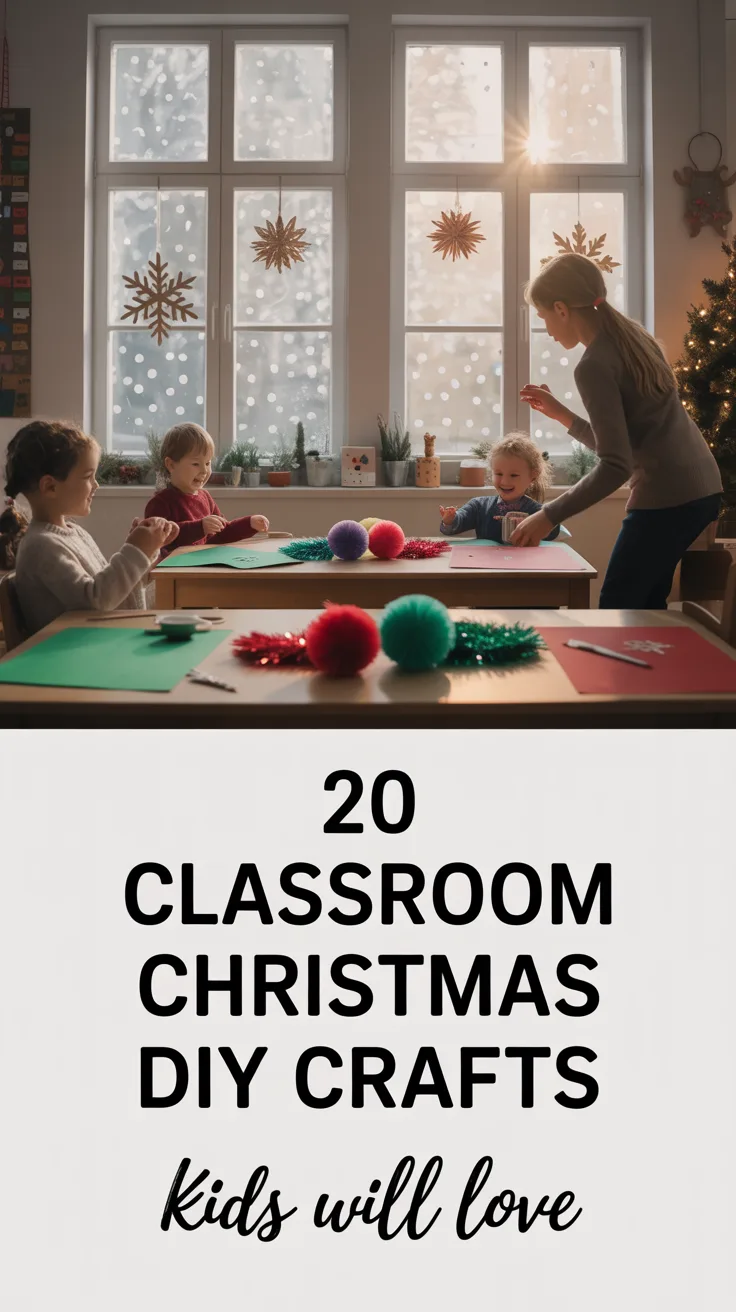
Introduction to Classroom Christmas Crafts
There’s something truly magical about watching a classroom transform during the holiday season. I’ve spent countless December afternoons surrounded by glitter, construction paper, and the excited chatter of kids creating their own Christmas masterpieces. Trust me when I say that classroom Christmas DIY crafts are more than just fun activities—they’re opportunities for children to express themselves, build confidence, and create memories that last long after the decorations come down.
When I first started incorporating crafts into my holiday curriculum, I made the rookie mistake of choosing projects that were way too complicated. Picture this: twenty-five frustrated kids, glue everywhere, and ornaments that looked nothing like the Pinterest photos I’d optimistically printed out. Over the years, I’ve learned that the best classroom crafts are simple, engaging, and forgiving of little hands that are still developing their fine motor skills.
The beauty of Christmas crafting lies in its ability to bring students together. Whether they’re helping each other cut paper snowflakes or sharing supplies for ornament decorations, these activities naturally encourage teamwork and kindness—values that perfectly align with the holiday spirit.
Simple Paper Crafts for Classroom Christmas DIY Crafts
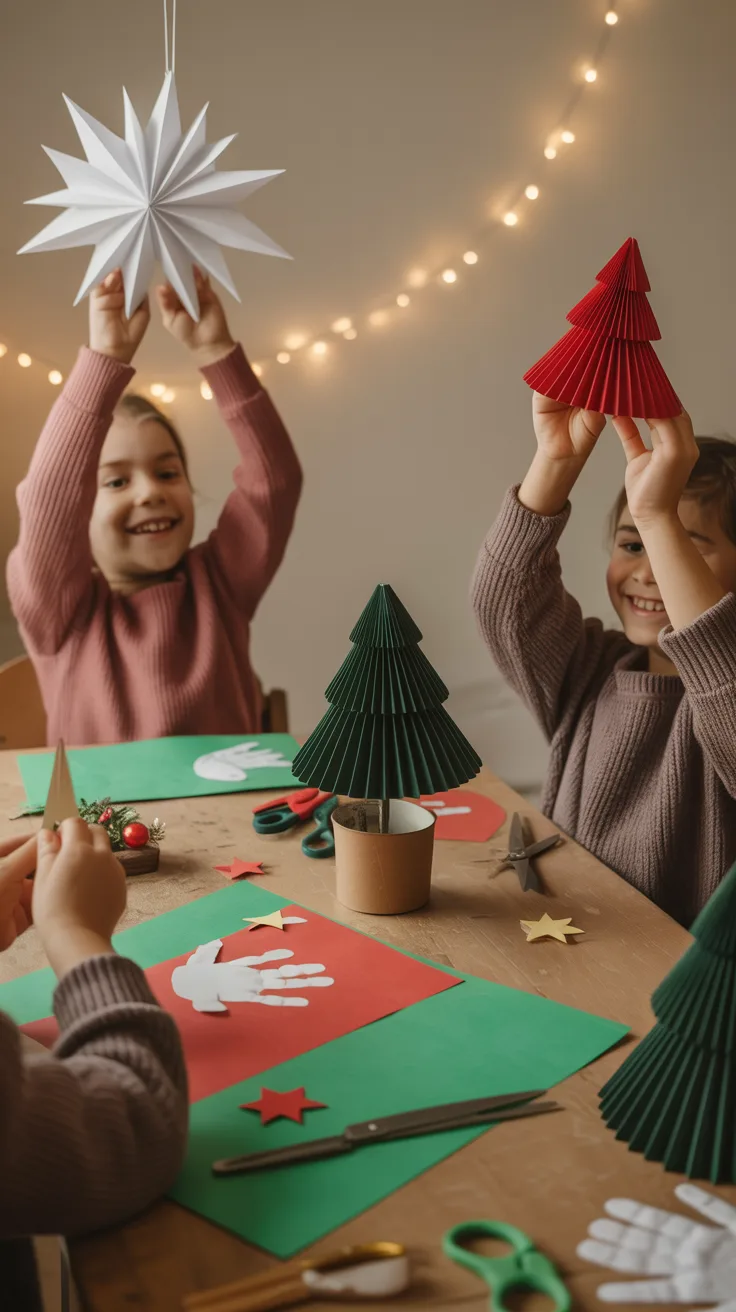
Paper crafts are my absolute go-to for classroom projects, and for good reason. They’re budget-friendly, require minimal supervision, and the cleanup is relatively painless. Here are some of my tried-and-true favorites:
- Paper Snowflakes – This classic never gets old. I teach kids the basic folding technique, then let their creativity run wild with the cutting. No two snowflakes are ever alike, which makes for a beautiful lesson about individuality.
- Accordion Christmas Trees – Using green construction paper folded in accordion style, kids can create adorable 3D trees. Add a star sticker on top and you’ve got instant holiday cheer.
- Handprint Wreaths – Trace each child’s hand multiple times on green paper, cut them out, and arrange them in a circle. It’s personal, meaningful, and parents absolutely love receiving these as gifts.
- Paper Plate Santas – With some cotton balls, red paint, and googly eyes, paper plates transform into jolly Saint Nicks in no time.
- Christmas Card Creations – I always set aside time for kids to make cards for family members. Providing templates helps younger students, while older kids can design their own.
Pro Tip: Pre-cut some shapes for younger students or those who struggle with scissors. This keeps everyone moving at a similar pace and prevents frustration from derailing the fun.
Festive Ornaments Kids Can Make
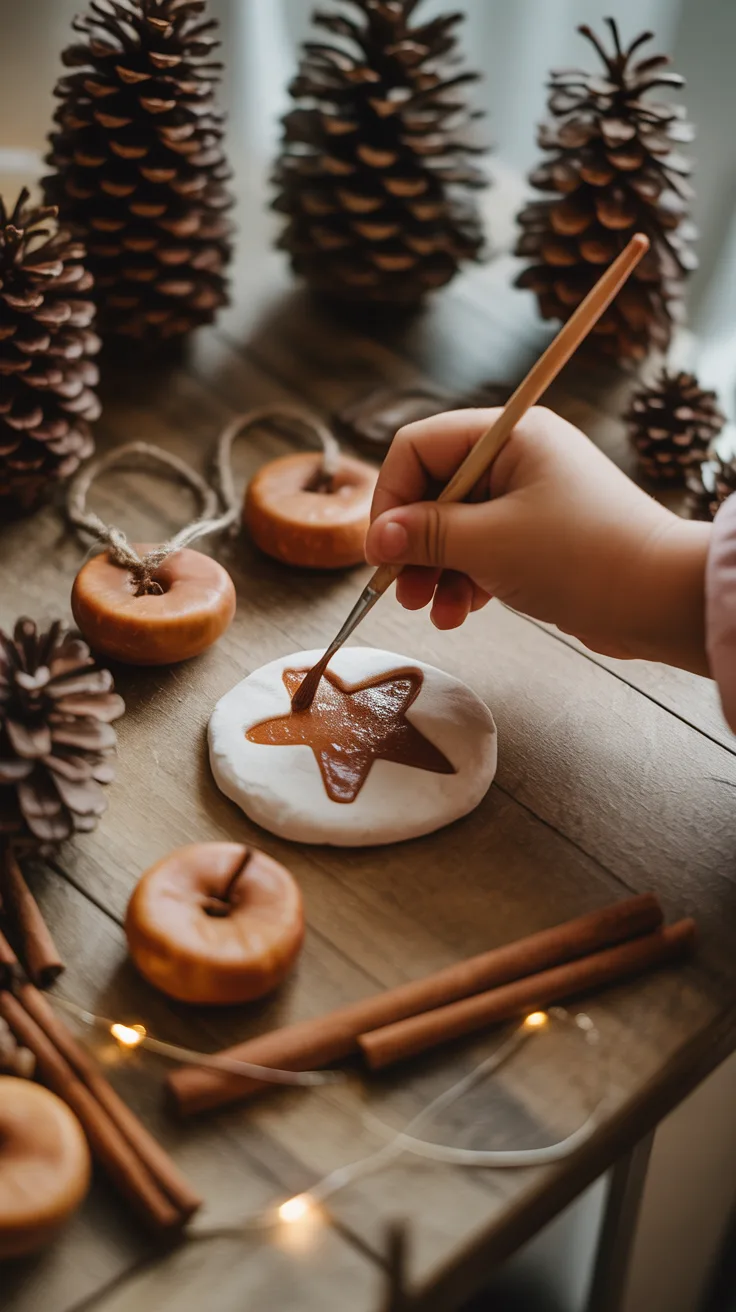
There’s something special about ornaments that children create themselves. I’ve had former students tell me years later that they still hang their classroom ornaments on their family trees. That kind of lasting impact makes the extra preparation worth every minute.
- Salt Dough Ornaments – Mix two cups flour, one cup salt, and one cup water. Kids can roll, cut, and shape these before baking. Once cooled, they paint beautifully and last for years.
- Cinnamon Applesauce Ornaments – These smell incredible and are completely non-toxic. Mix equal parts cinnamon and applesauce until you get a dough consistency, then use cookie cutters for shapes.
- Pinecone Christmas Trees – Collect pinecones ahead of time and let students paint them green, adding small pom-poms as ornaments and a star on top.
- Popsicle Stick Snowflakes – Three popsicle sticks glued together in a star pattern, then decorated with paint, glitter, or buttons, create stunning snowflakes.
- Bead Candy Canes – String red and white beads onto pipe cleaners, then bend them into candy cane shapes. Simple, satisfying, and great for fine motor development.
Pro Tip: Make salt dough in advance and store it in the refrigerator. This saves valuable class time and ensures the dough is the perfect consistency when students are ready to create.
Ornament Materials Quick Reference
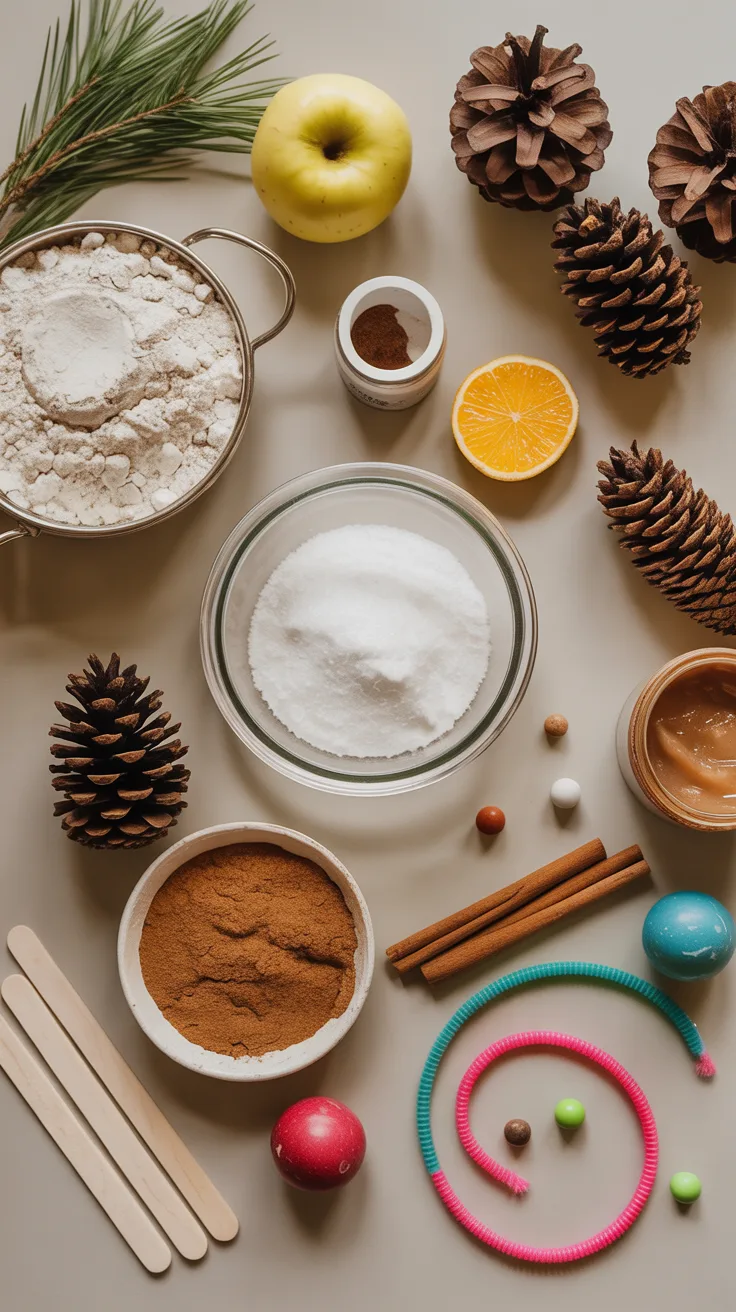
| Ornament Type | Main Materials | Difficulty Level | Drying Time |
|---|---|---|---|
| Salt Dough | Flour, salt, water, paint | Easy | 2-3 hours (baked) |
| Cinnamon Applesauce | Cinnamon, applesauce | Easy | 2-3 days (air dry) |
| Pinecone Trees | Pinecones, paint, pom-poms | Easy | 1 hour |
| Popsicle Snowflakes | Popsicle sticks, glue, decorations | Medium | 30 minutes |
| Bead Candy Canes | Beads, pipe cleaners | Easy | None |
Creative Classroom Decorations
Transforming your classroom into a winter wonderland doesn’t require a big budget—just a little creativity and willing helpers. I’ve found that involving students in decorating creates a sense of ownership and pride in their learning space.
- Paper Chain Garlands – A classic that never fails. Assign each student to create a section, then link them all together for a collaborative decoration that stretches across the room.
- Window Snowflake Displays – Those paper snowflakes we made earlier? Tape them to windows where sunlight can shine through. The effect is absolutely stunning.
- Collaborative Winter Mural – Cover a bulletin board with blue paper and let students add snowmen, trees, and snowflakes over several days. Watching it come together is half the fun.
- Hanging Paper Lanterns – Fold paper, cut slits, and roll into cylinder shapes. Hang these from the ceiling for a cozy, festive atmosphere.
- Cotton Ball Snow Scenes – Create window displays using cotton balls glued to paper for a fluffy, three-dimensional snow effect.
Pro Tip: Assign decoration committees with specific tasks. One group handles windows, another manages bulletin boards, and a third focuses on hanging decorations. This prevents chaos and ensures everyone contributes meaningfully.
Crafting with Recycled Materials
Some of my favorite classroom Christmas DIY crafts come from items that would otherwise end up in the trash. Teaching kids to see potential in recycled materials is a gift that extends far beyond the holiday season.
- Toilet Paper Roll Snowmen – Paint rolls white, add button eyes, a fabric scarf, and an orange paper nose. These little guys are absolutely adorable.
- Bottle Cap Ornaments – Fill bottle caps with small photos or drawings, add ribbon, and you’ve got personalized ornaments that families treasure.
- Cardboard Box Gingerbread Houses – Small boxes become the base for decorated “gingerbread” houses using paint and paper decorations.
- Egg Carton Bells – Cut individual cups from egg cartons, paint them gold or silver, add a jingle bell inside, and attach ribbon for hanging.
- Magazine Paper Trees – Roll old magazine pages into cone shapes and stack them to create unique, colorful Christmas trees.
Pro Tip: Send a note home a few weeks before your crafting sessions asking families to save specific recyclables. Parents love contributing, and you’ll have plenty of materials without spending a dime.
Conclusion and Benefits of Crafting
After years of facilitating classroom Christmas DIY crafts, I can confidently say that these activities offer benefits far beyond the finished products. Children develop patience as they wait for glue to dry, problem-solving skills when things don’t go as planned, and pride when they see their creations displayed or taken home to loved ones.
The social-emotional learning that happens during crafting sessions is remarkable. Students learn to share materials, offer help to classmates who are struggling, and celebrate each other’s unique creations. These soft skills are just as valuable as any academic lesson.
My advice? Don’t stress about perfection. The crooked snowman with too much glitter and the lopsided ornament with fingerprints in the paint—those are the pieces that families keep forever. They represent a moment in time, a child’s developing abilities, and the joy of creating something with their own two hands.
So gather your supplies, embrace the inevitable mess, and watch the magic unfold. Your students will thank you for the memories, and you might just rediscover your own holiday spirit in the process.
Frequently Asked Questions
What materials are needed for classroom Christmas crafts?
Basic supplies include construction paper, scissors, glue sticks, crayons or markers, paint, and various decorative items like pom-poms, googly eyes, and ribbon. For specific projects, you might need salt, flour, pipe cleaners, or recycled materials like toilet paper rolls and bottle caps. I recommend creating a supply checklist for each project and gathering everything before class begins.
How can I ensure safety while crafting with kids?
Always use age-appropriate, non-toxic materials. Supervise scissors use closely, especially with younger students, and consider using safety scissors for kindergarteners. Keep small items like beads and buttons away from children who might put them in their mouths. Establish clear rules about staying seated and handling materials responsibly before beginning any project.
What are some quick Christmas crafts for last-minute activities?
Paper snowflakes, paper chain garlands, and simple coloring activities require minimal preparation. Handprint art projects are also quick—just have paint and paper ready. Popsicle stick ornaments and bead candy canes can be completed in under thirty minutes, making them perfect for unexpected free time or shortened class periods.
How do I manage different skill levels during craft time?
Prepare modifications in advance. Have pre-cut shapes available for students who struggle with scissors, and offer extension activities for those who finish quickly. Pairing students strategically—matching those who need help with patient helpers—creates a supportive environment where everyone can succeed.
How can I involve parents in classroom Christmas crafts?
Invite parent volunteers to help during craft sessions, especially for projects requiring extra supervision. Send home supply donation requests or ask for recyclable materials. You can also create take-home craft kits for families to complete together, extending the holiday crafting experience beyond the classroom.