Introduction to Crafting with Kids
As a parent of three creative little ones, I’ve discovered that crafting is more than just a way to keep kids busy on rainy afternoons. It’s a magical process that sparks imagination while developing crucial skills. When my 5-year-old proudly displayed her first paper plate lion mask, complete with a mane made from uneven yellow yarn strips, I realized these simple craft activities for kids were building her confidence in remarkable ways.
I’ve found that crafting helps children develop fine motor skills, problem-solving abilities, and patience. It also provides a screen-free activity that encourages focus and creativity. After years of glue-covered tables and glitter in unexpected places (I’m still finding sparkles from our Valentine’s Day project last year!), I’ve compiled this list of 20 easy craft activities for kids that you can make at home with minimal supplies and maximum fun.
Paper Plate Crafts
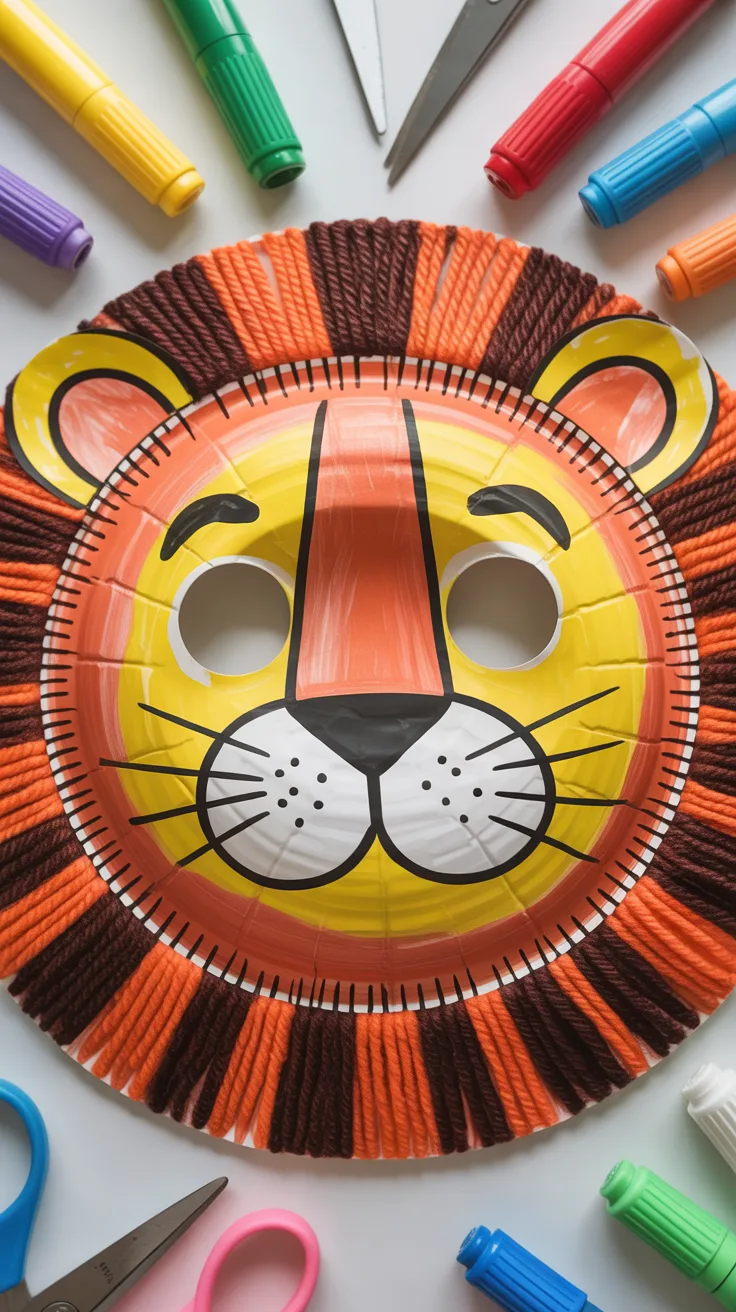
Paper plates have saved my sanity more times than I can count. They’re affordable, readily available, and incredibly versatile as a crafting material. Here are some of our favorite paper plate creations:
- Animal Masks: Transform paper plates into lions, elephants, or butterflies using paint, markers, and yarn. Cut eye holes and attach elastic or a popsicle stick handle. My son’s paper plate dinosaur mask became his constant companion for an entire month!
- Paper Plate Sun Catchers: Cut out the center of a paper plate, leaving a ring. Help your child glue colorful tissue paper across the opening, then hang near a window for a beautiful light effect.
- Seasonal Wreaths: Decorate paper plates with leaves, flowers, or themed items for a seasonal wreath. Cut out the center of the plate, then let kids glue on decorations. We made a stunning fall wreath using leaves we collected during our neighborhood walks.
- Paper Plate Aquariums: Paint a plate blue, add fish cutouts, seaweed, and shells. Cover with plastic wrap for a 3D effect.
- Flying Saucers: Staple two plates together, facing inward, leaving space to stuff with cotton. Paint and add alien passengers made from pipe cleaners.
Pro Tip: Keep a variety of paint and markers on hand, but don’t stress about perfection. I once ran out of green paint for our frog masks, and my daughter’s “purple frog” became her favorite creation ever!
Recycled Materials Crafts
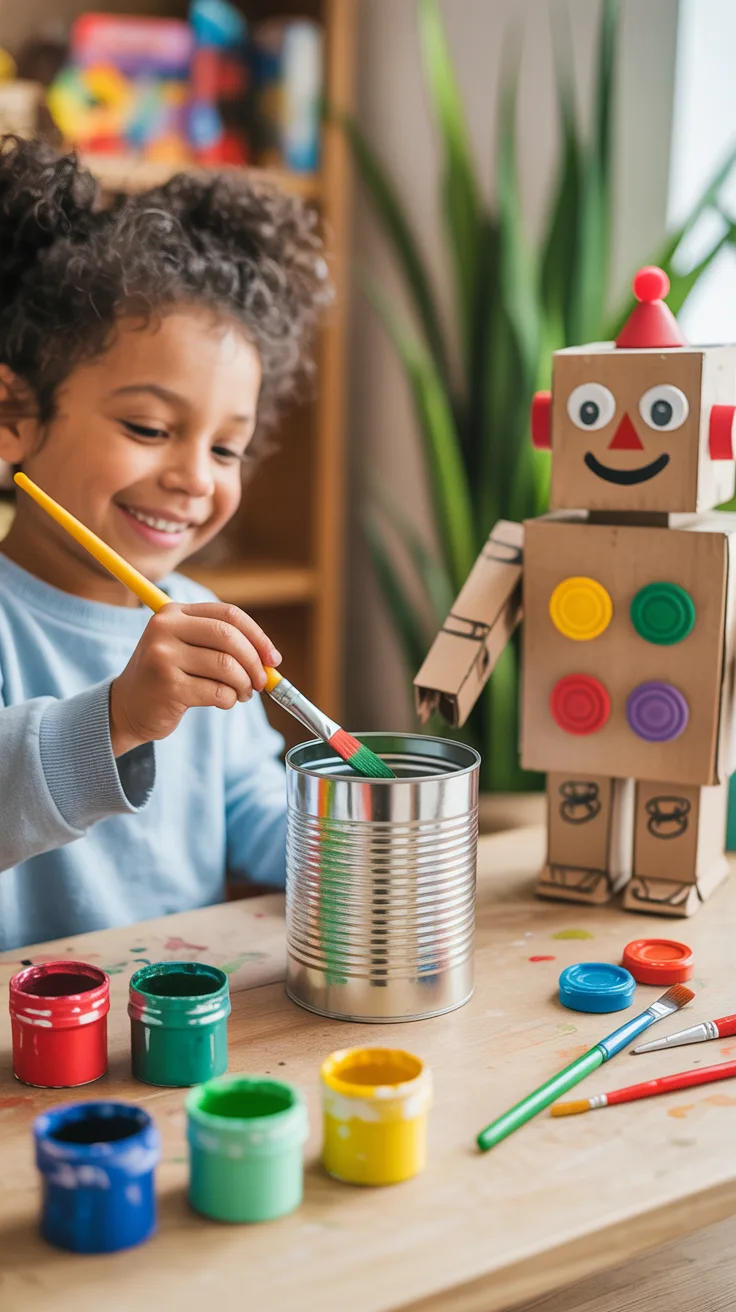
I used to toss empty cereal boxes and toilet paper rolls into the recycling bin without a second thought. Now, my kids see these items as treasures waiting to be transformed. Using recycled materials not only saves money but also teaches kids about sustainability and resourcefulness.
- Cardboard Robots: Save those Amazon boxes! Build robots using cardboard boxes of different sizes, bottle caps for buttons, and other recyclables. My biggest mistake was throwing away the perfect-sized box for my son’s robot head – now I keep a “craft corner” in our garage.
- Tin Can Planters: Clean empty tin cans, cover sharp edges with tape, then let kids decorate them with paint or paper. Add soil and seeds for a craft that keeps on giving. My daughter’s bean sprouts in her decorated can became her first gardening success.
- Egg Carton Caterpillars: Cut egg cartons into strips, paint them in bright colors, and add pipe cleaner antennae and googly eyes.
- Toilet Paper Roll Binoculars: Tape two toilet paper rolls together, decorate, and attach string. Perfect for backyard “safaris.”
- Plastic Bottle Bird Feeders: Cut windows in plastic bottles, add perches with wooden spoons, fill with birdseed, and hang outside.
Pro Tip: Start collecting recyclables before announcing a craft day. I learned this the hard way after promising “rocket ships” only to realize we had no cardboard tubes saved up!
Nature-Inspired Craft Activities for Kids
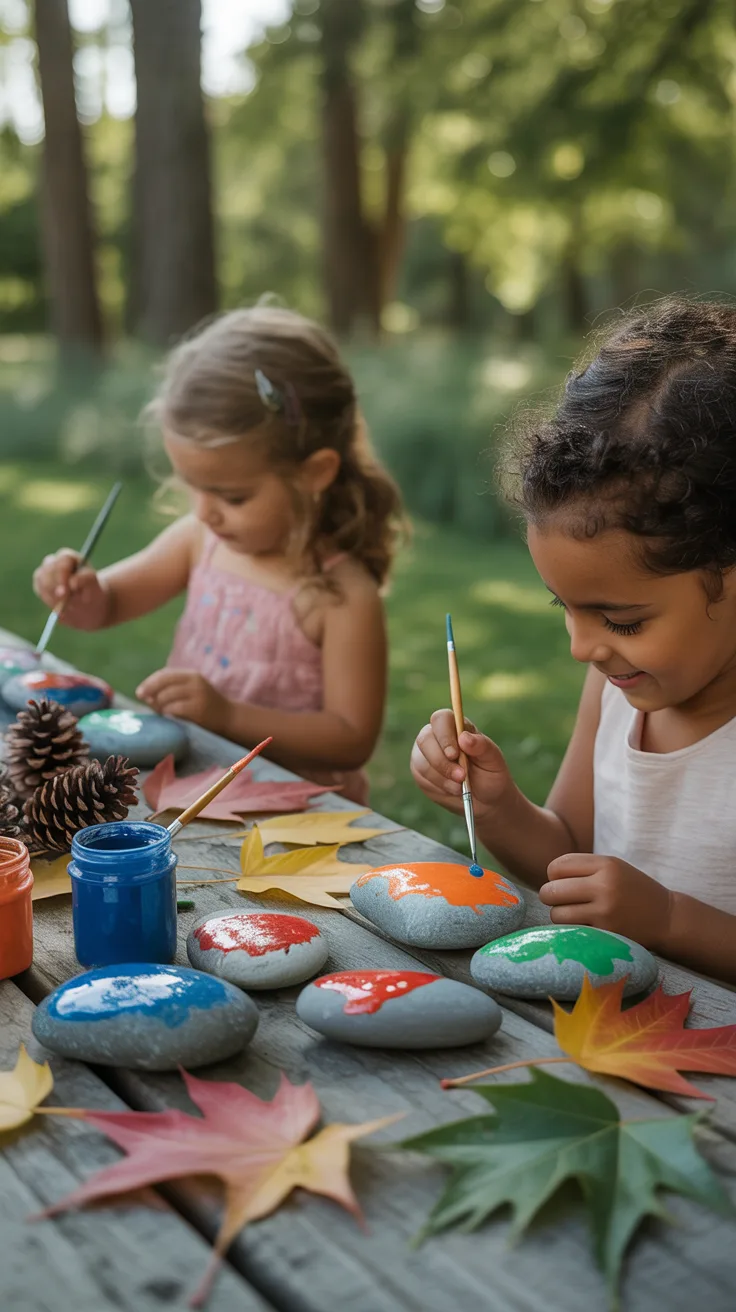
Some of our most meaningful crafting moments have happened after outdoor adventures. There’s something special about incorporating elements from nature into creative projects. These crafts connect children to the outdoors and help them appreciate the natural world.
- Leaf Prints: Collect leaves of different shapes and sizes, apply paint to one side, then press onto paper for beautiful prints. We created a family “seasons book” with leaf prints from each season.
- Rock Painting: Gather smooth rocks and transform them into animals, monsters, or decorative art with acrylic paint and sealer. My kids created a “rock family” that sits on our windowsill.
- Pinecone Bird Feeders: Spread peanut butter on pinecones, roll in birdseed, and hang with string in your yard. (Watch out for squirrels though – they raided our first attempt within minutes!)
- Pressed Flower Bookmarks: Pick flowers, press between heavy books for a week, then arrange on cardstock and laminate for lasting bookmarks.
- Stick Frame: Collect twigs of similar size, form a square or rectangle, and secure with glue or string. Attach a family photo for a rustic display.
Pro Tip: Take a nature walk specifically to gather crafting materials. I bring small paper bags labeled “leaves,” “interesting sticks,” and “pretty rocks” to help my kids focus their collecting.
Seasonal and Holiday Crafts
Seasonal crafts have become cherished traditions in our home. They help mark the passage of time and build anticipation for holidays. Plus, they often become decorations we treasure year after year.
- Handprint Wreaths: Trace hands on green paper, cut out, and arrange in a circle for a Christmas wreath. We date ours each year to track growth.
- Salt Dough Ornaments: Mix 1 cup salt, 2 cups flour, and 1 cup water. Shape, bake at 250°F for 2 hours, then paint. Our first attempts were too thick and took forever to dry!
- Paper Bag Puppets: Transform lunch bags into spooky Halloween characters with construction paper, markers, and googly eyes.
- Tissue Paper Flowers: Layer sheets of tissue paper, accordion fold, secure in middle with pipe cleaner, then fan out layers. Perfect for Mother’s Day or spring celebrations.
- Handprint Turkey: Trace a hand on brown paper, add features to turn the thumb into the head and fingers into feathers for Thanksgiving.
Pro Tip: Start holiday crafts early! I once waited until December 23rd to make salt dough ornaments, and we were up until midnight waiting for them to bake and dry.
Pro Tips for Crafting with Kids
After countless craft sessions (and cleaning sessions afterward), I’ve learned a few things about making the experience enjoyable for everyone involved:
Set Up a Dedicated Craft Space: It doesn’t need to be fancy – we use an old shower curtain under our kitchen table for messy projects. Having a designated area helps contain the chaos and signals to kids that it’s time to create.
Dress for Success: Keep a few old t-shirts as “craft shirts” or use aprons. I learned this lesson after my daughter wore her new white dress to paint day (despite my warnings).
Prepare Materials in Advance: For younger children especially, having materials ready to go maintains their interest. I pre-cut shapes for my 3-year-old while letting my 8-year-old handle scissors independently.
Focus on Process, Not Product: Some of our most enjoyable craft sessions resulted in creations that looked nothing like the Pinterest inspiration. That’s perfectly fine! The joy is in the creating, not the final result.
Know When to Step Back: I used to hover and “fix” my kids’ creations. Now I offer help only when asked. Their pride in completely independent work is worth the occasionally lopsided result.
Pro Tip: Keep a “craft supply emergency kit” with extra glue, scissors, and basic supplies. Nothing derails a craft session faster than discovering your glue bottle is empty!
Frequently Asked Questions
What are some benefits of crafting for children?
Crafting helps develop fine motor skills, hand-eye coordination, and spatial awareness. It also builds creativity, problem-solving abilities, and patience. I’ve noticed my children’s ability to focus improve significantly since we started regular craft sessions. Plus, there’s the emotional benefit of pride and accomplishment when they complete a project.
How can I encourage my child to be more interested in crafts?
Follow their interests! My son wasn’t interested in traditional crafts until I suggested making dinosaur fossils from salt dough. Start with themes they love, keep sessions short for younger children, and display their work prominently. Also, join in yourself – children love when adults create alongside them.
What materials should I keep on hand for easy crafts?
My essential craft supply list includes: construction paper, white glue and glue sticks, child-safe scissors, washable markers, watercolor paints, pipe cleaners, pom-poms, googly eyes, and masking tape. I also save recyclables like toilet paper rolls, egg cartons, and cardboard boxes. With these basics, you can tackle most simple craft projects.
How can I ensure safety during craft activities?
Always supervise young children, especially with scissors or small items that could be choking hazards. Use non-toxic, washable art supplies labeled for children. For messy projects like slime-making, I always do a patch test first, as some children have sensitivities to ingredients like borax.
What are some ways to display my child’s craft projects?
We use a clothesline with clips in our playroom to display current favorites. I also keep a large portfolio for flat artwork and take photos of 3D creations before they inevitably fall apart. Special pieces get framed for our “gallery wall” in the hallway. For seasonal crafts, we have a dedicated shelf where they’re displayed during the appropriate time of year.