Introduction to Toddler Crafting
As a mom of two energetic toddlers, I’ve discovered that crafting isn’t just about keeping little hands busy—it’s a magical gateway to learning and development. When I first introduced craft activities for toddlers in our home, I was amazed at how quickly my 2-year-old’s fine motor skills improved. There’s something special about watching their little faces light up when they create something all by themselves.
Crafting with toddlers offers numerous benefits beyond just fun. It helps develop hand-eye coordination, introduces concepts like colors and shapes, and encourages creative thinking. I’ve found it’s also one of the best ways to bond with my little ones without screens or expensive toys.
Pro Tip: Don’t stress about perfection! I used to try to “fix” my daughter’s creations until I realized that the joy is in the process, not the end result. Let their creativity flow freely—even if that elephant ends up looking more like a blob with eyes!
1. Finger Painting Fun
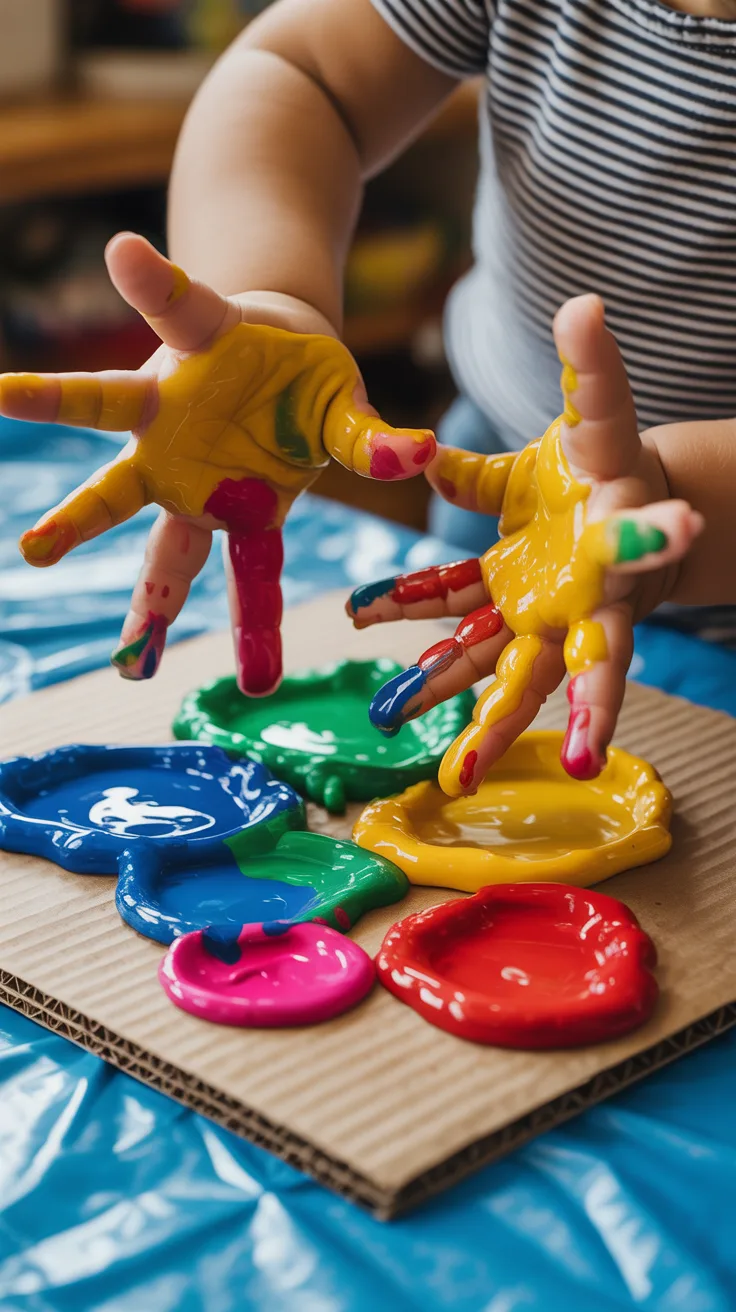
Finger painting remains my go-to craft activity for toddlers when we need a quick creative outlet. I learned the hard way that regular paper just doesn’t cut it—it tears when wet. Now I use either finger painting paper or even recycled cardboard from delivery boxes.
To get started, I place a few dollops of washable, non-toxic paint on a paper plate and let my toddlers dip away. Sometimes we add a sensory element by mixing in a little salt or sand for texture. The first time we tried this, my son was hesitant to get messy, so I started by painting my own fingers to show him it was okay.
Pro Tip: Contain the mess by using a plastic tablecloth or shower curtain under the crafting area. I also dress my kids in old t-shirts that I don’t mind getting stained—because trust me, they will get stained!
2. Paper Plate Animals
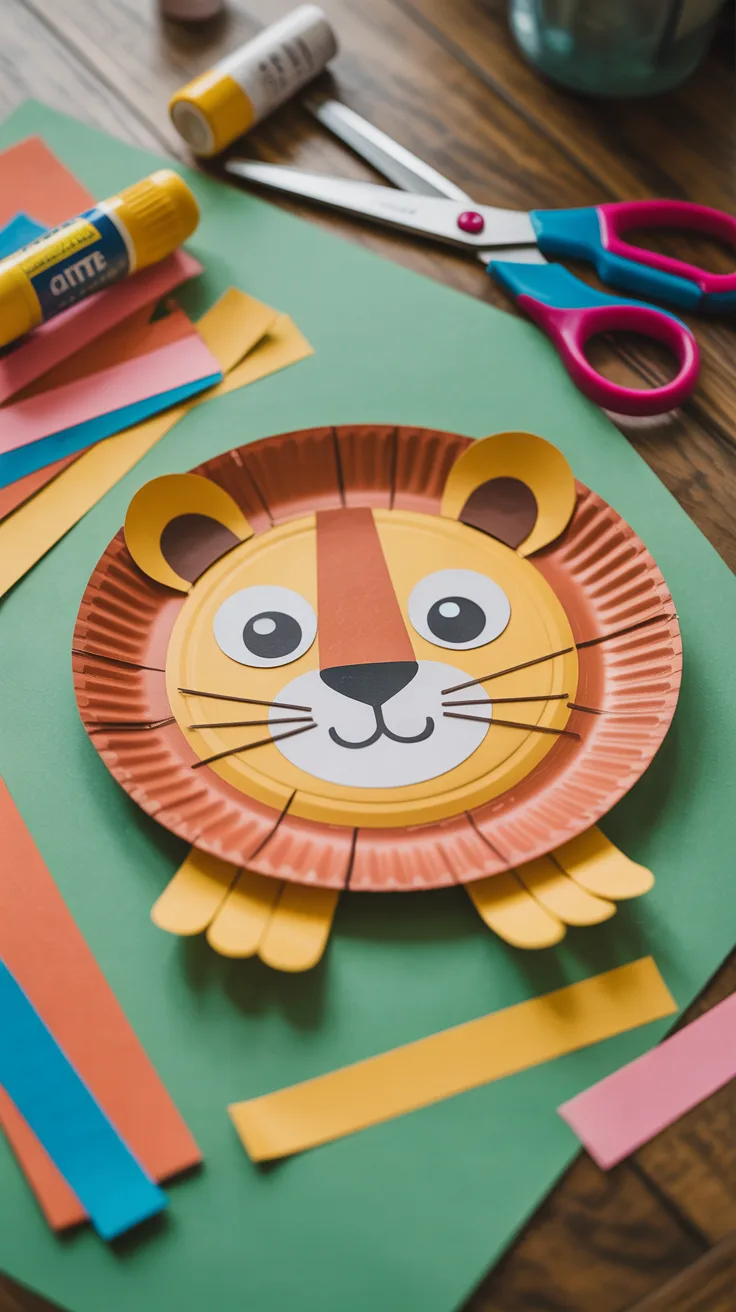
Paper plate animals have saved many rainy afternoons in our house. With just a few basic supplies—paper plates, construction paper, glue sticks, and markers—we’ve created an entire zoo of creatures.
For younger toddlers, I pre-cut the ears, eyes, and other features, then let them glue and decorate. My 3-year-old now enjoys helping with the cutting (using safety scissors, of course). Our favorite creation was a lion made by gluing yellow and orange paper strips around the edge of the plate for the mane.
I once tried to make an elephant with my daughter, and our trunk kept falling off until we discovered that white school glue works better than glue sticks for heavier paper pieces. These little learning moments are part of the fun!
3. DIY Playdough Creations
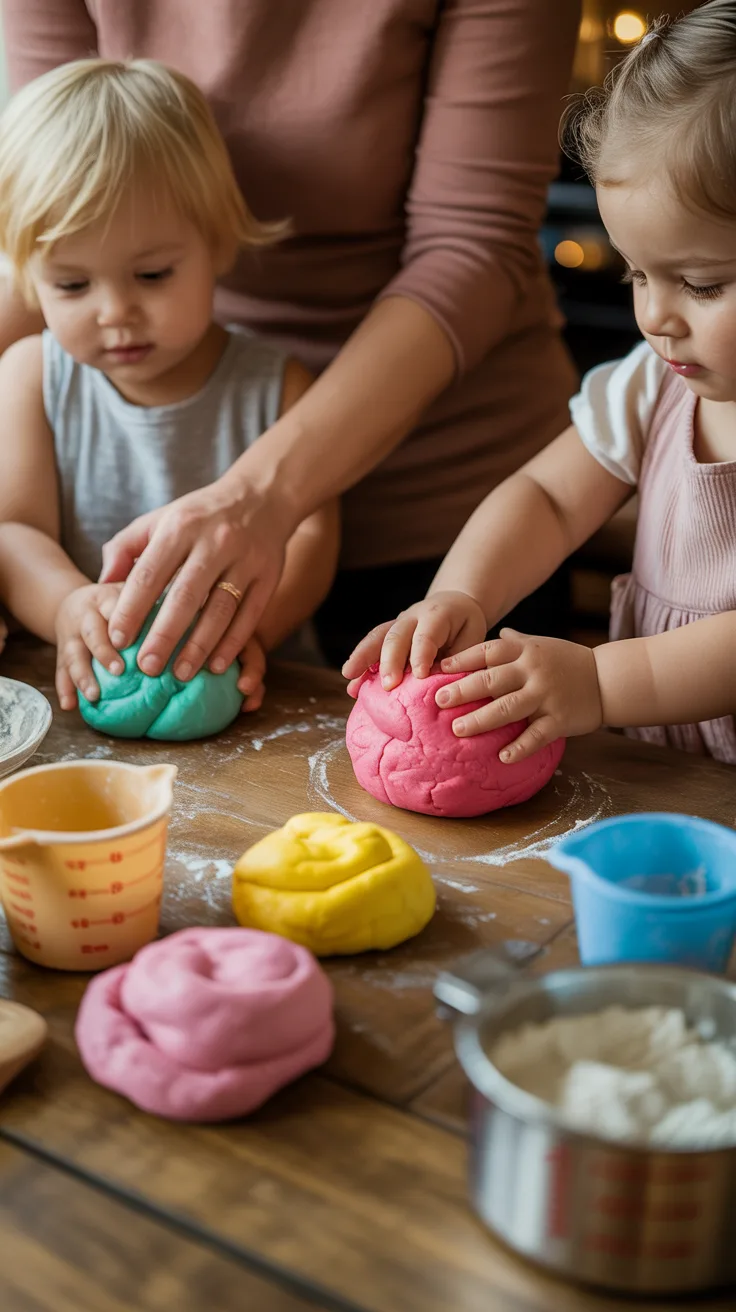
Making homemade playdough together has become a monthly tradition in our home. The recipe I use couldn’t be simpler:
- 2 cups flour
- 1/2 cup salt
- 2 tablespoons cream of tartar
- 2 tablespoons vegetable oil
- 1 1/2 cups boiling water
- Food coloring
I mix the dry ingredients, then carefully add the boiling water (adult-only step!) and oil. Once it’s cool enough, my toddlers help knead in the food coloring. The first time we made it, I added too much water and ended up with a sticky mess—now I add water gradually until we reach the perfect consistency.
Pro Tip: Store homemade playdough in airtight containers or zip-top bags in the refrigerator. It usually lasts about 2-3 weeks before drying out.
4. Collage Making with Recycled Materials
Collage making taught me the value of a “craft box”—a place where I toss interesting materials that would otherwise be trash. Old magazines, tissue paper, fabric scraps, buttons, and even clean food packaging all find their way into our collection.
For toddler collages, I squeeze a bit of glue onto a paper plate and give them a paintbrush to apply it. My son went through a phase where he wanted to glue everything in sight, including his toy cars! Setting clear boundaries about what can and can’t be glued has saved many toys from a sticky fate.
This activity has also opened up conversations about recycling and reusing materials, planting early seeds of environmental awareness.
5. Simple Bead Necklaces
Stringing beads was challenging for my toddlers at first, but it’s amazing how quickly they improved. We started with pipe cleaners (easier to thread than string) and large wooden beads. Now my 3-year-old can use yarn with a taped “needle” end.
I’ve found that setting out beads in a muffin tin or ice cube tray helps with organization and prevents them from rolling everywhere. This activity requires close supervision, but the concentration on my daughter’s face as she threads each bead makes it worthwhile.
Pro Tip: For very young toddlers, try stringing larger items like cut-up straws or cereal with holes (like Cheerios) before moving to traditional beads.
6. Nature-Inspired Art
Our nature walks have taken on new purpose since we started collecting materials for crafting. Leaves, pinecones, sticks, and pebbles find their way into our craft basket. One of our favorite activities is leaf printing—painting one side of a leaf and pressing it onto paper.
I’ve learned that nature crafts are best done soon after collecting the materials. Those beautiful red leaves my daughter insisted on keeping turned brown and crumbly after a few days inside! Now we either use our treasures right away or press flowers and leaves in heavy books.
These craft activities for toddlers create a wonderful connection to the natural world and the changing seasons.
7. Tissue Paper Crafts
Tissue paper is magical in its versatility. We crumple it, tear it, layer it, and glue it to create vibrant art. My toddlers particularly enjoy making “stained glass” by gluing colorful tissue paper pieces onto contact paper or onto paper with glue.
For Easter, we made tissue paper flowers by gathering several sheets in the middle and tying with a pipe cleaner. My son was so proud of his bouquet that he insisted on keeping it in his room until it eventually fell apart.
Pro Tip: Save tissue paper from gifts and packages. I keep a special drawer for it, and we’re never short on supplies for these projects.
8. Popsicle Stick Creations
Popsicle sticks (or craft sticks) are staples in our craft supply. We’ve made everything from picture frames to mini fences for toy animals. My toddlers love painting the sticks in bright colors before we assemble them.
Our most ambitious project was a stick house that promptly collapsed because I underestimated how much glue we needed. My son found this hilarious, and we turned it into a “broken house” for his dinosaurs to stomp through—a good lesson in adapting when crafts don’t go as planned!
For younger toddlers, simply sorting the sticks by color after painting them is a satisfying activity.
9. Button Art Projects
My grandmother’s button jar inspired this activity in our home. Buttons of different sizes, colors, and shapes provide endless creative possibilities. We glue them to paper to make flowers, robots, or abstract designs.
I’ve found that liquid glue works better than glue sticks for securing buttons. This activity requires close supervision with younger toddlers due to the small pieces, but it’s excellent for developing fine motor skills and color recognition.
Pro Tip: If you don’t have a button collection, check thrift stores or ask family members—many people have jars of buttons they’re happy to share.
10. Easy Paper Crafts
Simple paper folding crafts have been surprisingly successful with my toddlers. We make basic hats, fans, and airplanes. My daughter went through a phase where she insisted on wearing a paper crown every day, so we made dozens in different colors.
Construction paper is more durable than regular paper, making it ideal for these projects. I keep pre-cut paper strips and shapes in our craft box for days when we need a quick activity.
One of my favorite memories is watching my son “deliver mail” around the house using envelopes we had folded together. These simple craft activities for toddlers often lead to extended imaginative play.
11. Handprint Art
Handprint art has become our go-to for grandparent gifts. There’s something special about preserving those tiny hands in paint. We’ve turned handprints into animals, flowers, and seasonal decorations.
I’ve learned to have everything ready before bringing out the paint—paper, wipes for clean-up, and a clear plan. My first attempt at handprint art resulted in painted handprints all over our couch when I turned away to find more paper!
Pro Tip: For clearer prints, apply paint to your child’s hand with a brush rather than having them dip into paint. It creates less mess and more defined prints.
12. Foam Sticker Fun
On days when I need a low-mess activity, foam stickers are my secret weapon. These colorful, self-adhesive shapes are perfect for little fingers still mastering fine motor skills. My toddlers create scenes on paper or decorate cardboard tubes to make binoculars or wristbands.
I keep foam stickers organized by theme in zip-top bags—animals, shapes, letters, and seasonal options. This simple organization makes it easy to pull out just what we need for a particular project.
This is also a great “on-the-go” craft for restaurants or waiting rooms when you need a quiet activity.
Conclusion
Crafting with toddlers has taught me patience, flexibility, and the joy of seeing the world through their eyes. Some days, our projects turn out nothing like I envisioned—and that’s perfectly okay. The real value lies in the time spent together, the skills being developed, and the creativity being nurtured.
I encourage you to try these simple craft activities for toddlers in your own home. Don’t worry about perfection or Pinterest-worthy results. Focus instead on the giggles, the concentration on little faces, and the proud “I made this!” moments that make it all worthwhile.
Remember that the most meaningful supplies aren’t expensive—they’re the everyday items around your home combined with your attention and encouragement. Happy crafting!
Frequently Asked Questions
What age is appropriate for toddler crafts?
Most toddlers can begin simple crafting around 18 months, though they’ll need significant help. By age 2-3, they can participate more independently. I started with finger painting and playdough at 18 months, then gradually introduced more complex activities as my children’s skills developed.
How can I ensure safety during craft activities?
Always supervise toddlers during crafting, use non-toxic materials, and avoid small items that could be choking hazards for children under 3. I keep a separate set of “craft scissors” that are safety scissors, and I’m careful about which glues and paints we use, always opting for non-toxic varieties.
What are some benefits of crafting for toddlers?
Crafting develops fine motor skills, hand-eye coordination